
Freckle tattoos are semi-permanent cosmetic tattoos, closer to microblading than traditional ink, where pigment gets implanted in freckle-sized dots across the nose and cheeks. They last one to three years, though UV exposure and retinols can shrink that window to eighteen months. The cost runs $100 to $500, and the real commitment is whether you want a look that lingers past the trend.
What Freckle Tattoos Actually Are
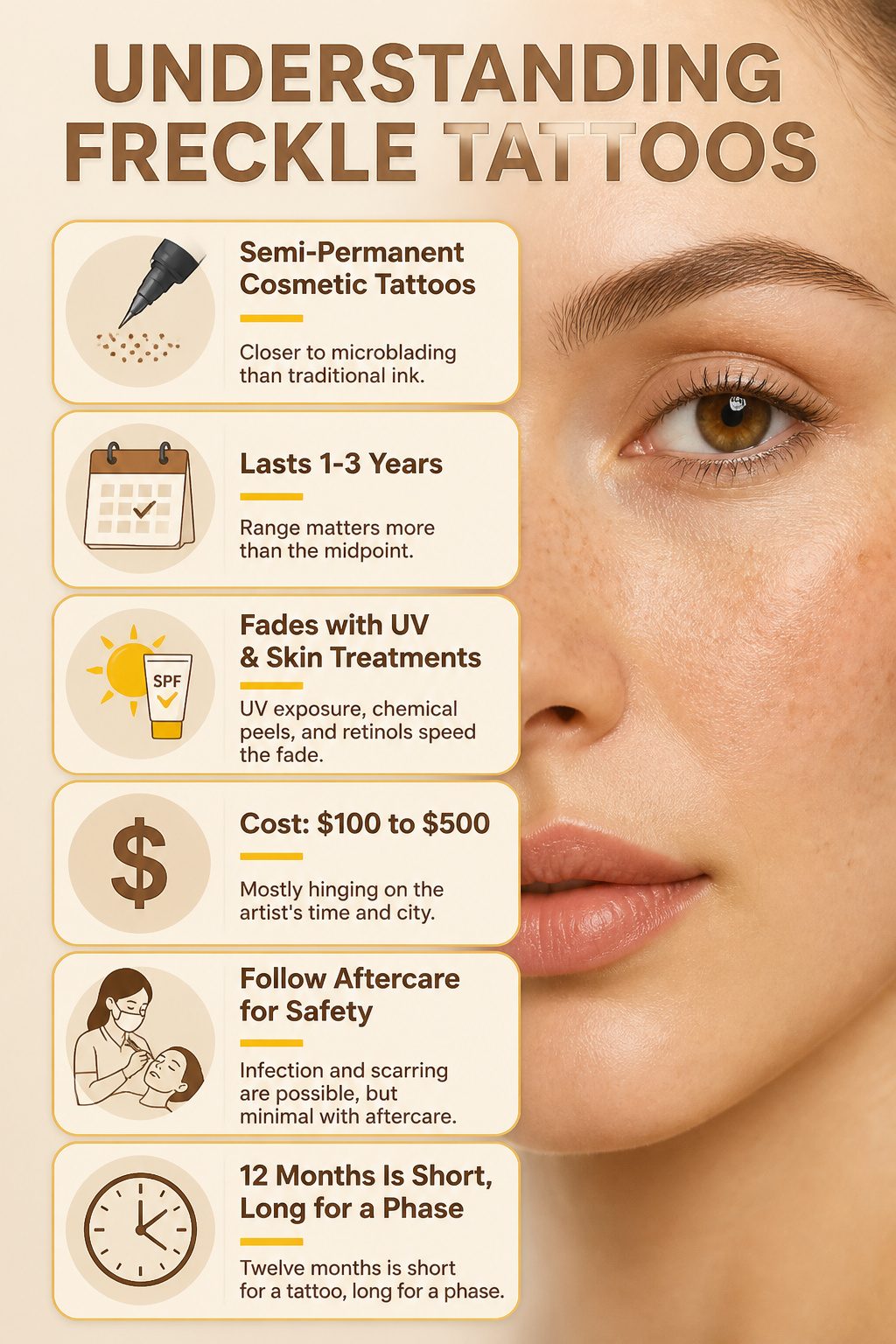
Freckle tattoos are semi-permanent cosmetic tattoos, closer to microblading than the ink your cousin got in college. Pigment gets implanted in freckle-sized dots across the nose and cheeks, usually with a hand-held tool or tattooing device, to mimic the scattered marks sun leaves on skin.
They last one to three years, though the range matters more than the midpoint. A New York dermatologist puts the fade closer to a year and a half; other artists see up to two years with darker pigment and religious SPF. UV exposure, chemical peels, and retinols speed the fade, so the commitment level bends on how you already treat your face.
Cost runs $100 to $500, mostly hinging on the artist’s time and city. That spread is wide enough to make location shopping worth it.
Safety sits where most cosmetic procedures do: infection and scarring are possible, but minimal with a reputable artist and followed aftercare. The real question is whether you want a look that lingers past the trend. Twelve months is short for a tattoo, long for a phase.
Consultation and Design Mapping

The consultation is where you and the artist decide whether you want a light, medium, or heavy freckle density, and exactly where they sit. Some artists break this into three categories, light, medium, and heavy, to give you a reference point before any drawing starts. Placement is fully customizable, though the artist will guide you toward what works for your face and your daily routine.
At the appointment itself, the artist maps the freckle pattern on your skin with a pencil or similar tool. Only after you approve the drawing does any tattooing begin. This matters more than most people expect: once the needle starts, the layout is fixed, and the mapping stage is your last chance to adjust density or placement before anything is permanent.
Color mixing works the same way. The artist custom mixes shades to match your skin tone, and most will use three separate pigments rather than one uniform color, since natural freckles vary. If you already have freckles, you can request the shades match them for a seamless blend. The process is collaborative: you name the color direction you want, the artist picks the pigments that work with your tone, and you approve or adjust before moving forward.
Skin Prep and Tattooing
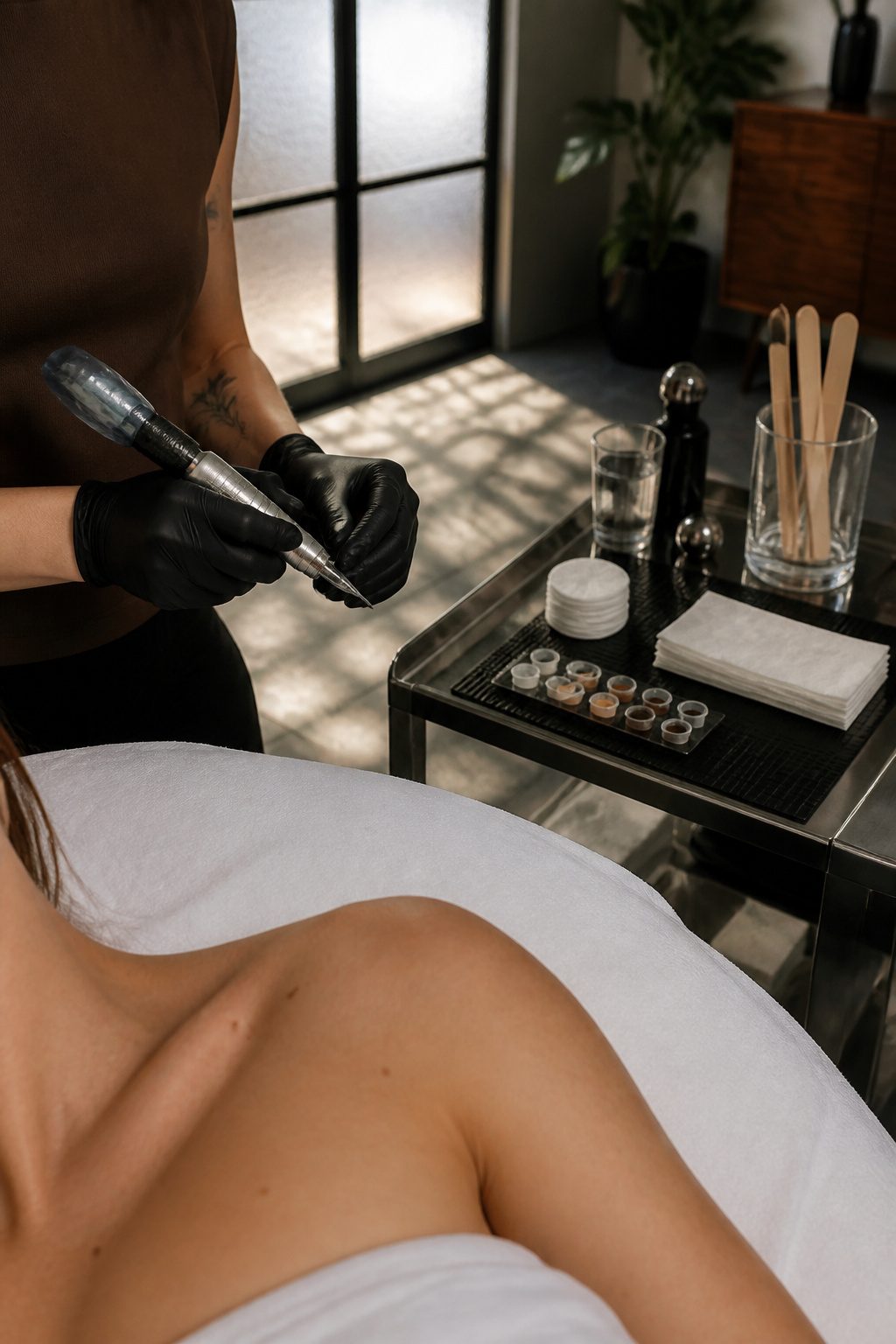
The skin needs to arrive completely clean. No foundation, no sunscreen residue, no moisturizer sitting on the surface. The artist will cleanse the area again, but starting with a bare face matters because any barrier changes how pigment takes.
A hand-held tool implants the color, not a machine. The artist dips and presses each dot individually, which controls depth and keeps the pigment shallow. That shallowness is why numbing usually isn’t necessary, though some artists keep it available. The color chosen tends toward light brown with warmth in it, and the placement gets drawn on first with pencil or marker for approval.
The area stays red and raised for about 1–2 hours afterward. During that window the freckles look too dark, almost harsh, and the tone keeps deepening before it begins to settle. The real color won’t be readable for weeks. Some fall-out happens normally, maybe 10–20%, which is why the touch-up appointment exists and why layering reads more natural than a single pass.
Initial Healing
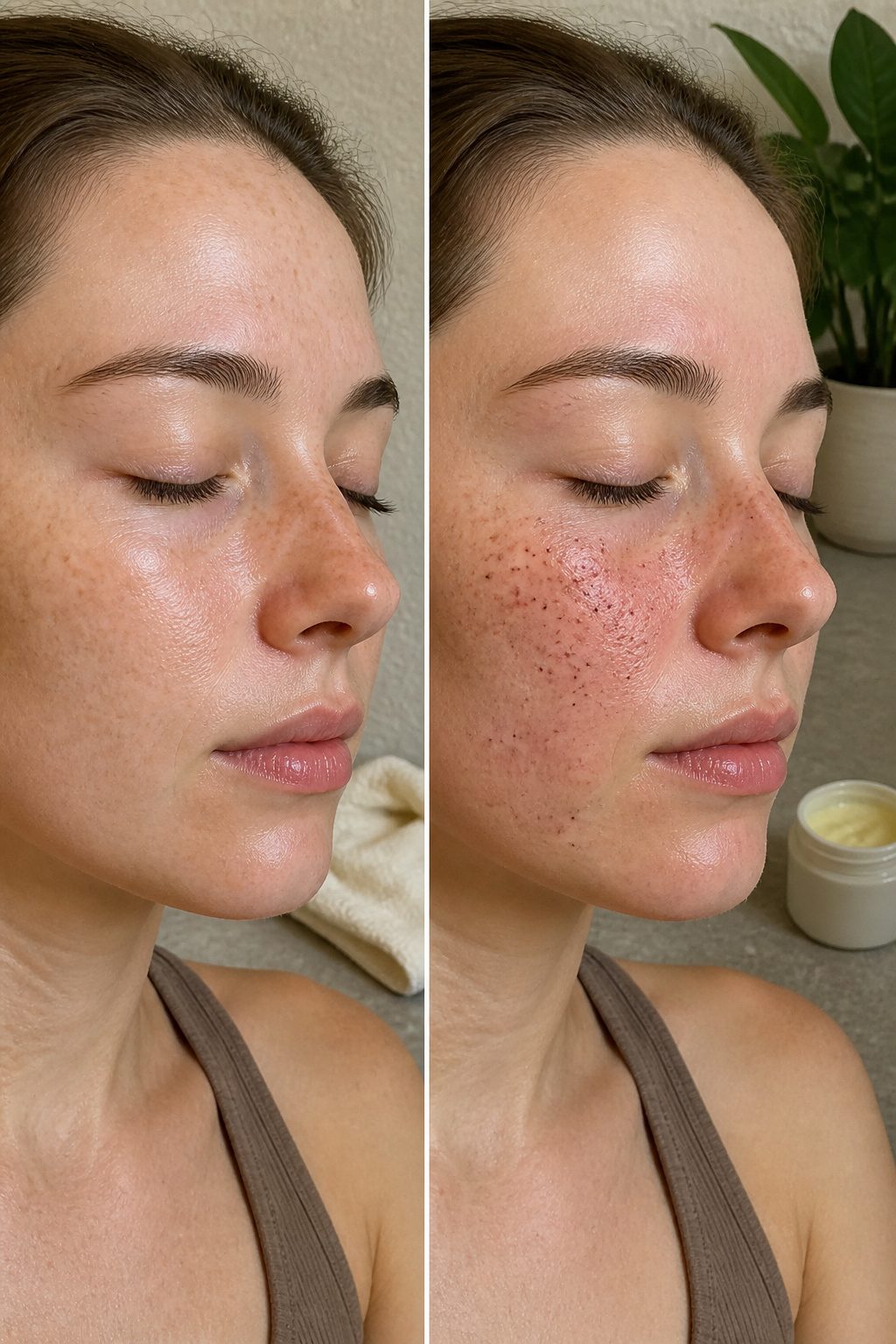
The first thing that hits you after the needle stops is the redness. Most people flush pink around each fresh dot for an hour or two, maybe less, and the skin feels slightly raised like a mosquito bite that forgot to itch. That texture and color settle down fast.
Days 1 through 4, the freckles darken and begin to scab. They look nothing like the final result in this window; more like someone pressed espresso grounds to your face in perfect little circles. Days 5 to 8, those scabs flake away and the color underneath drops off a cliff, sometimes so light the spots seem to vanish entirely. By days 9 to 14, the tone climbs back partway, settling 30–60% lighter than those first dramatic darks.
The initial heal runs 10–14 days, but the skin underneath is still working. Full healing, the point where you can really judge what you have, lands at the 4–6 week mark. Artists typically schedule touch-ups in that 4–12 week window so the color has finished settling before they layer anything new.
Aftercare
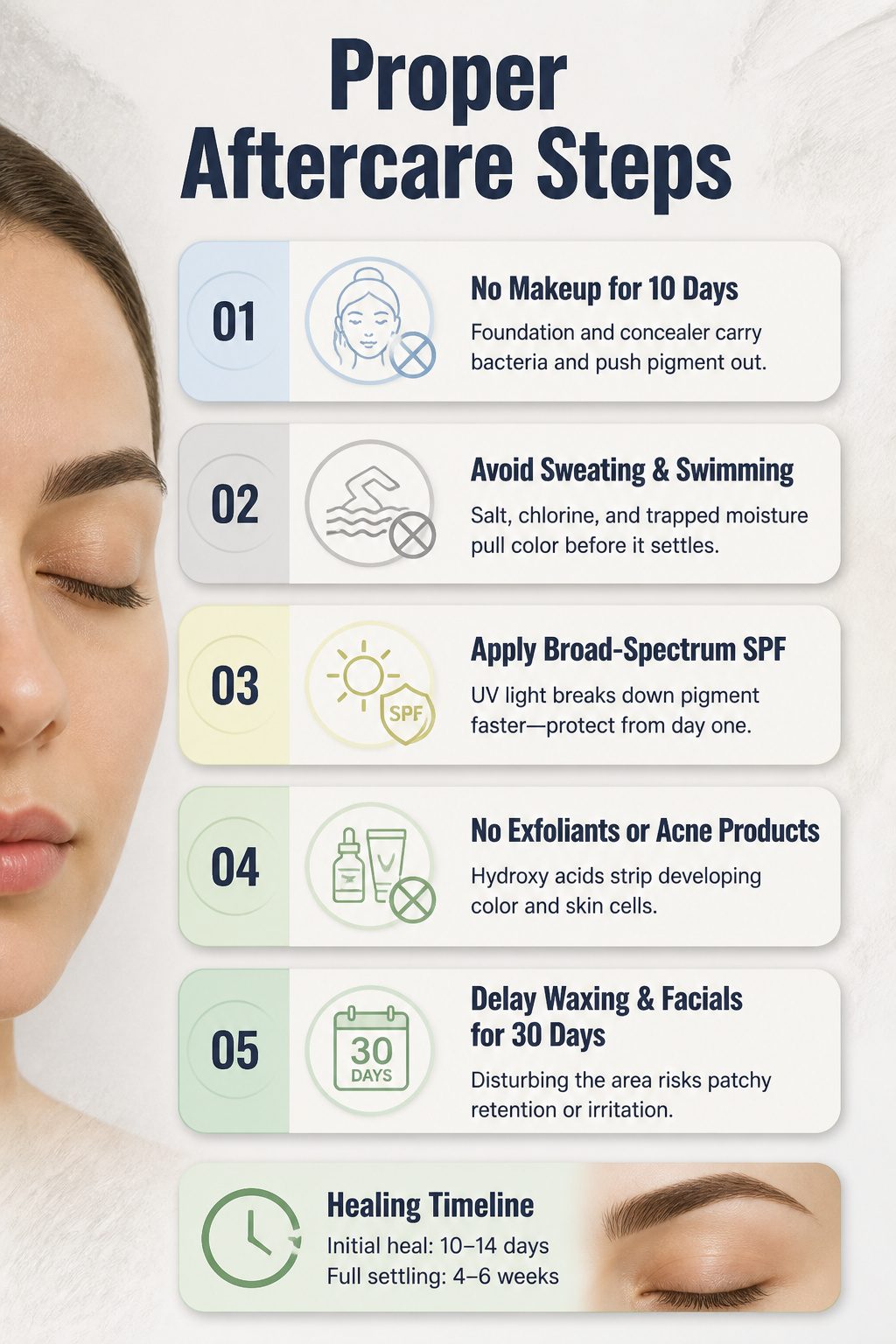
Clean skin is non-negotiable for the first ten days, and that means no makeup on the face at all. Foundation and concealer carry bacteria into the open micro-channels, and they will push pigment out with them. The same rule applies to sweating, swimming, and saunas for the same stretch, since salt, chlorine, and trapped moisture all pull color before it settles.
Sun exposure is the fastest way to fade what you paid for. UV light accelerates the breakdown of permanent makeup pigment, which is already more delicate than standard tattoo ink. A hat is not enough; broad-spectrum protection matters from day one, even before the surface looks healed.
Chemical exfoliants and acne products containing hydroxy acids are off-limits too. They strip the developing color along with the skin cells you are trying to preserve. One artist I read about puts the initial heal at 10–14 days, with full settling at 4–6 weeks, so the no-makeup window is not arbitrary. It matches how long the pigment needs to anchor.
Threading, waxing, and facials should wait a full 30 days. The skin has been mapped and punctured precisely; disturbing the area risks patchy retention or irritation that shows through the final result.
Touch-ups and Long-term Maintenance

Most freckle tattoos settle into a 1–3 year lifespan, though where you land in that window depends on variables you can partly control. Ink deposited deeper in the dermis tends to stick around longer, but the same depth risks a blurrier look over time. Lighter shades read more natural upfront and fade faster; darker ones buy you extra months before a refresh.
Sun exposure is the fastest accelerator of fading. UV breaks down pigment regardless of SPF diligence, though skipping protection shortens the timeline dramatically. Chlorinated pools, saltwater, and aggressive skincare, including peels or retinols, speed the same process. Smoking and alcohol consumption also figure in, likely through their broader impact on skin turnover and healing.
Aftercare during healing sets the foundation, but long-term habits matter more than most clients expect. The work may always leave slight residue even when the freckles themselves become undetectable, a factor of individual skin tone and lifestyle that no touch-up fully resets.
Optional touch-ups after a few weeks let you build density or shift placement while the initial pattern is still fresh. Some artists include minor adjustments in the original session fee; others price additional freckles by the piece, often starting around $100 for small counts and shifting to full freckle pricing once you pass a dozen.
Natural Freckles and Layered Freckles
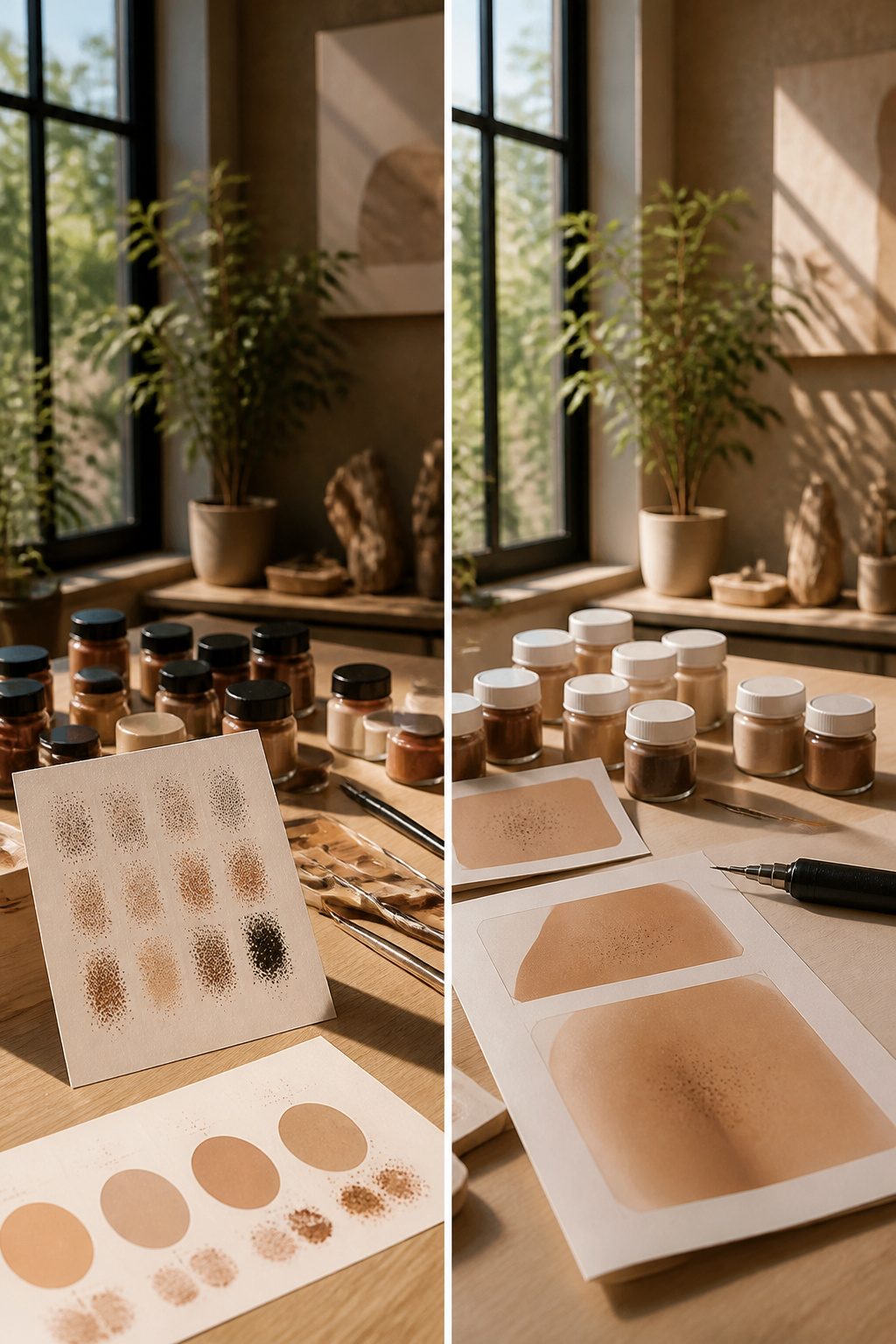
Real freckles shift in color with the season and the light, so a single shade of pigment reads flat from day one. The artists who get this right build in variation from the start, usually mixing three separate shades rather than relying on one uniform tone. The lighter dots sit where sun would hit most directly; the deeper ones settle where natural freckles tend to cluster and darken.
Layered work takes this further by spacing the shades deliberately across sessions. A conservative artist will spread the job over two or three appointments, letting each round settle before deciding where the next belongs. By the end, the freckles carry the soft irregularity of pigment that has actually lived in skin, not the saturated punch of a body tattoo. The difference is visible in healed results: too much density or depth, and the marks look stamped on rather than grown in. Multiple shades, built up gradually, are what keep them from reading as costume.
Beauty Marks and Accent Options

A single faux beauty mark carries the same weight as a full field of freckles, maybe more. Cindy Crawford turned hers into a signature; Marilyn Monroe and Madonna did the same. The placement matters more than the size. A mark sitting just above the lip or high on the cheekbone reads as classic, something you were born with. Shift it half an inch toward the center and it becomes a distraction.
Multiple marks play differently. Two or three clustered along the temple or jawline can look playful, almost whimsical, but spread them too far apart and they read as moles you’d pay a dermatologist to check. The same rule holds for shaped accents. A small heart or star mixed into natural-toned freckles works if it stays small and sparse. Too large and it stops reading as freckle and starts reading as face tattoo, which is a different procedure entirely with a different social cost.
Cheeks hold pigment better than the nose, so marks placed there last longer and heal more evenly. The nose still works for a beauty mark, especially the classic spot high on the bridge or at the outer corner of the nostril, but expect faster fading and possibly an extra touch-up. Shapes on the nose almost never look right; the curvature distorts them and the skin there sheds pigment quickly.
Colored Freckles
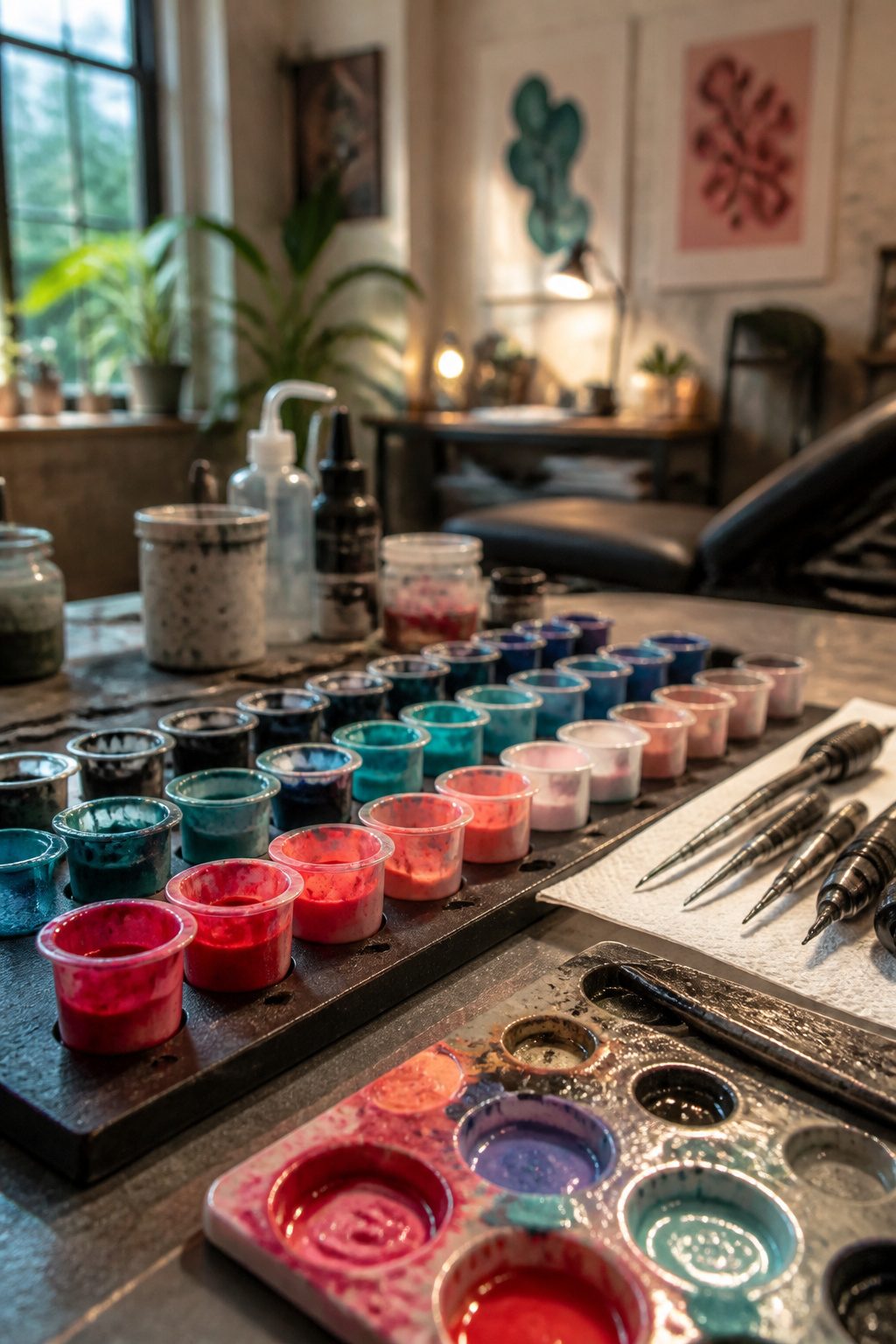
Most freckle tattoos aim to disappear into your skin tone, but pigment choices extend well past brown. Cosmetic artists work with the same permanent makeup palettes used for lips and brows, so reds, corals, soft pinks, and even lavender or teal sit on the table if you want them. The technique itself does not change; what shifts is the artist’s mixing and the depth of deposit. A lighter, more superficial placement keeps brighter reads from looking stamped on, since the color rises through living skin rather than sitting on top of it.
These suit people whose makeup already runs playful, or who treat the face as a changing canvas rather than a fixed feature. The catch is commitment. Where a taupe freckle might fade into something you simply stop noticing, a blue-green mark lingers visibly even as it softens, and the residue can outlast the trend impulse by years. Removal or lightening is available if you turn, but nothing about it is quick. The same factors that drain natural tones, sun and chlorine and aggressive skincare, pull at these too, just from a louder starting point. For anyone weighing it, the real question is whether you want a sprinkle of color for the next one to three years, or whether a Monday morning mirror check three seasons from now still needs to feel right.
Risks and What Can Go Wrong
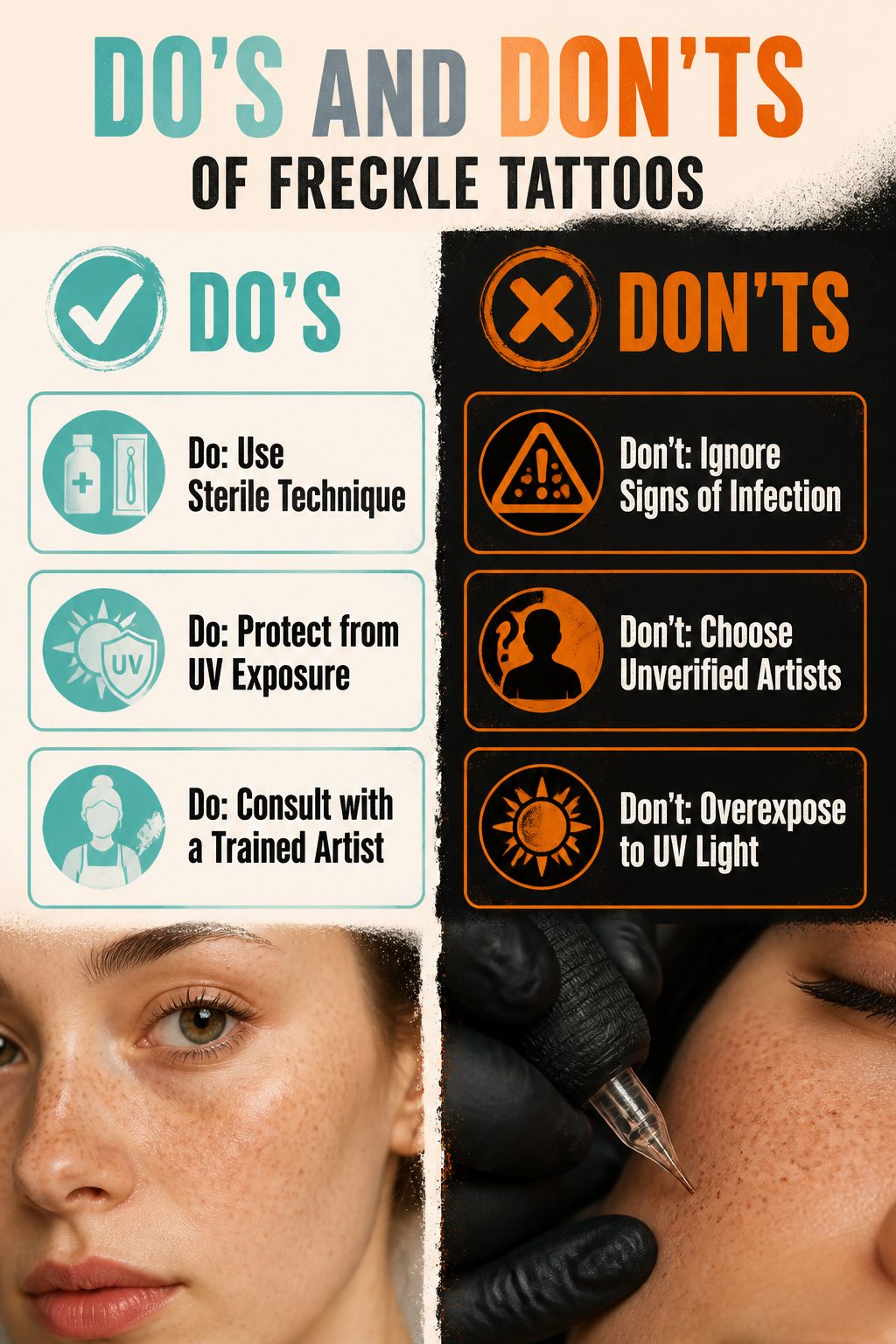
Any procedure that breaks the skin carries a real risk of infection, and freckle tattoos are no exception. Sterile technique matters: improperly stored ink, unsterilized instruments, or an operator without adequate training can turn a cosmetic choice into a medical problem. Allergic reactions to pigment happen too, though they are less common, and any tattoo can scar if the needle goes too deep or the skin reacts badly to the trauma.
Fading is built into the semi-permanent nature of these tattoos. The ink deposits sit higher in the skin than traditional tattoo work, so expect 1–3 years before they soften noticeably, faster with sun exposure or exfoliants like glycolic acid and retinol.
"Camouflage could hide something sinister" — board-certified dermatologists diagnose skin cancer early, but pigmented lesions including melanoma can resemble freckles and may need biopsy to distinguish.
That risk is not theoretical. Tattooed freckles obscure the skin beneath them, and a changing mole can go unnoticed until it is harder to treat. The 35–54 readers who already check ingredient lists should apply that same scrutiny here: ask the artist about their sterile protocol, and ask yourself whether the aesthetic gain is worth the small but real chance of delayed melanoma detection.
Cost, Removal, and Choosing an Artist

Freckle tattoos run between $150 and $500, with most of that gap coming down to how long the artist spends mapping and placing them. A light dusting across the nose takes less time than a full scatter across cheeks and shoulders, and artists bill accordingly.
Laser removal is possible if the pigment does not fade the way you hoped, but the results are unpredictable. Some inks discolor to white or pink under laser, and the treated skin can scar or darken afterward. What convinced me, reading through the available accounts, was that no one could guarantee a clean undo.
Choosing an artist matters more than the price spread. A portfolio of healed work, not fresh photos, shows how the pigment settles at six months or a year. The ones worth booking will walk you through a face-to-face consultation first, explain their pigment source, and point to certificates if you ask. If they bristle at the question, that is your answer.
Frequently Asked Questions
How long do freckle tattoos last?
Freckle tattoos last one to three years, though most people see noticeable fading closer to a year and a half. Darker pigment and daily SPF can push you toward the longer end, while sun exposure, chemical peels, and retinols shorten the timeline.
What is the aftercare for freckle tattoos?
Keep the area completely clean and skip all makeup for the first ten days. Avoid sweating, swimming, and saunas during that same stretch, and wear broad-spectrum sunscreen from day one. Hold off on threading, waxing, and facials for a full 30 days.
Are freckle tattoos safe?
They carry the same risks as any skin-breaking procedure: infection, scarring, and allergic reactions to pigment. A reputable artist with sterile technique keeps those risks small. The bigger concern is that tattooed dots can hide changing moles, which may delay melanoma detection.
How much do freckle tattoos cost?
Expect to pay between $100 and $500, with most sessions falling in the $150–$500 range. The price hinges on how much time the artist spends mapping and placing the freckles, plus your city and the artist’s experience level.